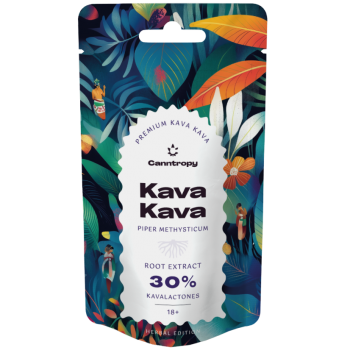
KAVA KAVA
Kava has deep cultural and traditional roots in Pacific Island nations, where it has been used safely for centuries. Its consumption is intertwined with social, ceremonial and religious practices in these communities.Over time, kava spread to other Pacific islands, including Fiji, Tonga, and Samoa, where it has also become an integral part of cultural and social traditions.
Kava is a natural, non-alcoholic, non-toxic beverage, which is psychoactive, but not addictive.
Kava can help you feel calmer, relax mentally and physically, relieve muscle pain, and feel less stressed. Kava is also an excellent natural sleep aid and one of the best herbal supplements for anxiety.
Kava is not brewed, fermented, or mixed with anything other than pure water.
What Does Kava Do?
The magic of kava lies in its active ingredients known as kavalactones. These compounds are primarily responsible for kava’s calming effects. When consumed, kavalactones interact with your central nervous system in a way that promotes relaxation without impairing cognitive function. This makes kava a great choice for those looking to relax without the foggy effects.
Kava is increasingly recognized as one of the best herbal sleep aids and stress relief supplements. It is a popular choice for those looking for alcohol alternatives to relax without the adverse effects associated with drinking alcohol. Wine and alcohol are often compared, but wine offers a non-alcoholic way to relax, making it a staple in natural relaxation drinks and calming supplements.
They have pain-relieving properties, which may explain why chewing kava root tends to cause a temporary numbness and tingling sensation on the tongue.
In some parts of the world, whole kava roots are chewed for their medicinal value.
The effects of kava are influenced by a number of factors, including personal sensitivity, unique body chemistry, and the specific variety of kava consumed. In addition, variations can occur from day to day.
This inherent variability adds to the richness of the kava experience, allowing each person to navigate their own unique journey.
* Using herbs is a time-honored approach to strengthening the body and treating illness. However, herbs contain ingredients that can cause side effects and interact with other herbs, supplements, or medications. For these reasons, you should take herbs with caution.